Quick answer
Field marketing is B2B marketing that works side by side with a regional sales team to create and move pipeline, mostly through small, invite-only events like executive dinners, roundtables, happy hours and roadshows. Where event marketing goes for scale and brand, field marketing goes for the specific accounts sales needs to win.
- Matched to a sales team in a region or segment
- Small, curated rooms over big open ones
- Measured on accounts, meetings and pipeline
- Usually run by a team of one to six people
What field marketing means
Field marketing takes marketing out to where buyers are. In B2B, that usually means hosted events in the cities and territories a sales team covers, built around the accounts that team is trying to win, grow or keep.
The job sits between marketing and sales. Field marketers report into marketing but plan around sales targets, so most of their work is joining the two: pulling account lists from the CRM, turning them into invites, getting reps into the room, and making sure someone follows up afterward.
Kayla Drake, who spent about 13 years in event and field marketing and now coaches field marketers, explained the difference on our From Invite to Impact episode on field marketing event strategy.
She added that because field teams are so close to sales, their field events, “which tend to be smaller hosted events, need to tie directly to pipeline.” That is the simplest test for whether something is field marketing: does it exist to help a sales team move specific accounts?
Field marketing vs event marketing vs ABM
The three overlap, and many teams run them under one leader. The difference is the job each one is hired to do.
| Dimension | Field marketing | Event marketing | ABM |
|---|---|---|---|
| Main job | Create and move pipeline in a region or segment, side by side with sales | Build reach, brand and leads across the whole market | Win and grow a named list of accounts across every channel |
| Works most with | Regional sales leaders, account executives, SDRs and partners | Brand, content, comms and sponsorship teams | Sales, marketing ops and demand generation |
| Scope | A territory, region or segment | A whole geography or the full market | A list of target accounts |
| Typical tactics | Executive dinners, roundtables, happy hours, roadshows, side events | Conferences, trade shows, user summits, webinars | Personalized ads, content, direct mail, outreach and events |
| Room size | Small and curated | Large and open | Not tied to one format |
| Measured on | Target accounts reached, meetings, pipeline sourced and influenced | Registrations, leads, reach and brand lift | Engagement, opportunities and revenue in target accounts |
In practice the lines blur. Field marketing is often the in-person arm of an ABM program, and one field marketer might run a booth at a trade show on Tuesday and a dinner for twelve target accounts that same night.
What a field marketing manager does
A field marketing manager owns the events and programs for a region or segment. At larger companies, Kayla Drake notes, “You might see field marketing managers for the West, Central, and East regions,” each paired with the sales team in that territory.
The title covers a lot of ground. Here is what the role usually owns, and who it works with every week.
What a field marketing manager owns
Target accounts
Agrees with each regional sales leader which accounts the quarter's events should reach.
The regional calendar
Decides which events run where and when, and which big industry shows to build around.
Guest lists and invites
Builds the list, splits invites between marketing and reps, and tracks who said yes.
Event budget
Often holds the line item for the region's events, venues and sponsorships.
The handoff to sales
Gets every attending account to the right rep with notes and a next step.
Reporting
Shows what each event moved: accounts reached, meetings, and pipeline.
Who they work with
- Regional sales leaders
- Account executives
- SDRs and BDRs
- Marketing ops
- Channel partners
- Executive hosts
- Venues and agencies
Team size reality
In our conversations with more than 100 B2B event and field marketing teams, the typical field program was run by one to six people. Most had no in-house designer, and the same person who built the guest list often held the budget.
Plenty of events are run by people without an events title at all, like partner marketers who host dinners for the relationships they own.
Types of field marketing events
Field marketing events are mostly small, owned rooms where a person curates the guest list. As Kayla Drake put it, “the more intentional and smaller the event is, the more you want to rely on your sales team.” Here are the formats B2B field teams run most, with a rough room size and what to watch.
Executive dinner
10 to 20 seatsMove open opportunities and senior relationships
- Guest list from
- Sales-led, named accounts
- Metric to watch
- Target accounts seated, next meetings booked
Executive roundtable
8 to 15 seatsPeer discussion on one topic your buyers care about
- Guest list from
- Curated by title and account fit
- Metric to watch
- Attending accounts, follow-up conversations
Happy hour
Dozens to a few hundredWider reach in one city
- Guest list from
- Opted-in database plus SDR outreach
- Metric to watch
- Share of guests from your ICP, meetings booked
Roadshow
One room per cityRepeat a proven format across a territory
- Guest list from
- A list per city, built with local reps
- Metric to watch
- Pipeline per city, cost per attending account
Partner or co-hosted event
Shared roomBorrow an audience and split the cost
- Guest list from
- Split with the partner
- Metric to watch
- New accounts reached, and whether you get the list
Trade show side event
Small room near a big showMeet key accounts who are already in town
- Guest list from
- Accounts attending the show
- Metric to watch
- Meetings held compared with booth spend
Side events can also replace spend that isn't working. On her episode, Kayla described a client paying $20,000 a year for a conference sponsorship that wasn't producing net-new pipeline. The team hosted its own event around the conference instead, kept the rep's customer meetings, and spent a fraction of the budget.
How to build a field marketing strategy
A field marketing strategy is a plan for which accounts you will reach, with which events, in which order, and how sales will follow up. Five steps cover most of it.
- 1
Start with accounts, not events
Sit down with each regional sales leader and agree which accounts the quarter should move: new logos that fit your ICP, open opportunities, and customers up for renewal or expansion.
- 2
Match the format to the goal
A happy hour reaches a broad audience. An executive dinner focuses on prospects with active opportunities. A customer event supports renewals. Each needs a different guest list and a different measure of success.
- 3
Agree the rules with sales first
Before anything is booked, settle who sends which invites, who owns follow-up for each account, how fast it happens, and how pipeline credit is counted.
- 4
Build the calendar a quarter ahead
Plot hosted events around sales priorities and the big shows your buyers already attend, so the whole marketing team can plan content and launches around them.
- 5
Plan the follow-up before the invite
Decide the next step for every attending account while you still have time to brief reps. Follow-up is where the pipeline gets made or lost.
How far ahead to plan
General guidelines from Kayla Drake in From Invite to Impact. Timelines vary by company.
Kayla's shorthand for the calendar is “Use the whole chicken”: a session can become a blog post, an on-site interview can become social clips, and a big trade show can be the reason for a smaller gathering nearby. To put it on paper, start from our event marketing plan template, then build each list with the event guest list template.
Two patterns from our own conversations with field teams are worth planning around. Teams that can't yet fill their own rooms often start with partner- or association-hosted events, so the question to ask early is whose list is in the room, and whether you get it afterward. And some teams set a return bar before they commit to an event, such as a target number of opportunities for every thousand dollars spent, which makes the go or no-go decision much easier.
How field marketing is measured
Headcount is where measurement starts, not where it ends. Climb the ladder one rung at a time, and agree the top rungs with sales before the event, not after.
- 1
Attendance
Who registered, and who actually came?
- 2
Room quality
How many guests came from target accounts or fit your ICP?
- 3
Follow-up
Does every attending account have an owned next step within 48 hours?
- 4
Meetings
How many meetings were booked with attending accounts?
- 5
Opportunity movement
Were opportunities created or moved forward after someone attended?
- 6
Pipeline and revenue
What pipeline, renewals or expansion did the event source or influence, under rules agreed with sales?
Two cautions from the teams we talk to. Long B2B sales cycles, often six to 18 months, mean you may have to decide whether to repeat an event before the revenue shows up, so track opportunity movement and influence, not only closed deals. And not every event is meant to produce pipeline; some exist for education or customer relationships. Decide which ones are before you report on them. For the full method, read how to measure event ROI.
In EpochX, registrations and attendance sync to HubSpot or Salesforce on Pro, and influenced pipeline reporting shows what each event helped move.
Where field marketing teams get stuck
In our conversations with more than 100 B2B event and field marketing teams, attribution came up more than any other problem. It rarely shows up alone. When the CRM connection only works one way, reps don't log their follow-up, so nobody can see it, so nobody can prove what the event moved.
What field teams told us they struggle with
Companies that raised each problem without being asked, out of 101.
- Proving what an event was worth38 of 101
- CRM connections that only work one way35 of 101
- Screening out guests who don't fit30 of 101
- Building invite lists by hand27 of 101
- Post-event work that doesn't get done27 of 101
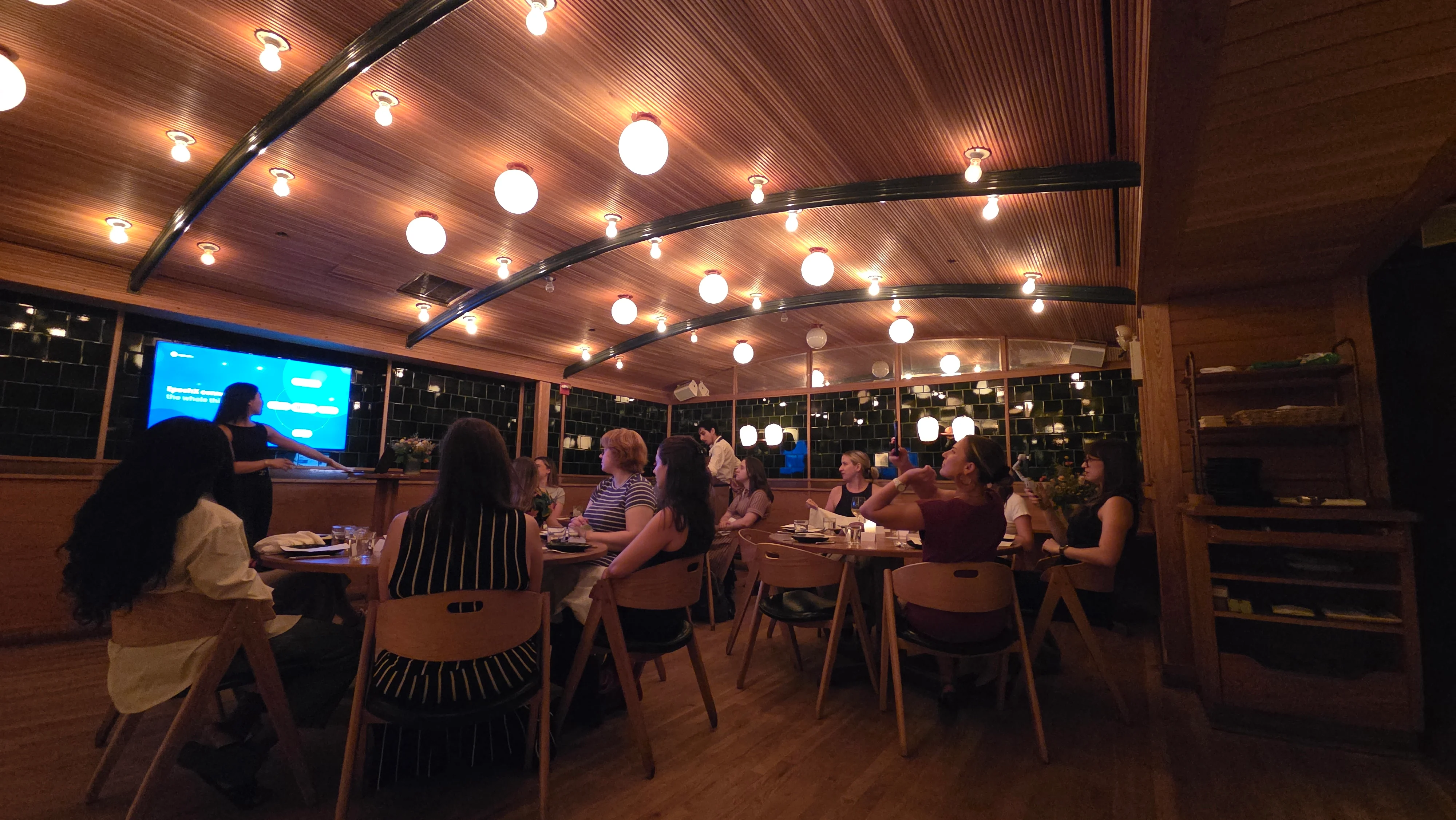
The same thread ran through our dinner with 20 event and field marketers in New York, where the guest list came up first. For a small executive dinner, as we wrote afterward, “It’s getting the right 20 people.”
Field marketing is a relationship job. The hours go to lists, invites and chasing follow-up. Field marketing event software like EpochX takes on that work so you can spend the time with people. HubSpot and Salesforce connect in one click, and EpochX reads contacts, accounts and custom objects live, with your CRM as the source of truth. On the night, QR check-in and onsite capture record who came. For an executive dinner, Agent Epoch's MCP server lets Claude draft the seating chart from your guest list. And if you're weighing other tools, see our roundup of the best AI tools for B2B event marketers.
Frequently asked questions
What is field marketing?
Field marketing is the part of B2B marketing that works side by side with a regional or segment sales team to create and move pipeline, mostly through small, in-person events such as executive dinners, roundtables, happy hours and roadshows. It is judged on the accounts it reaches and the pipeline it moves more than on reach or brand awareness.
What does a field marketing manager do?
A field marketing manager plans and runs the events and programs for a region or segment. They agree target accounts with sales, own the regional event calendar and budget, build guest lists and coordinate invites, hand attending accounts to the right reps, and report on meetings and pipeline.
What is the difference between field marketing and event marketing?
Both run events. Event marketing tends to work at scale across a whole geography, with conferences, trade shows and user summits aimed at leads, brand awareness and thought leadership. Field marketing is matched to a sales team in its region and runs smaller hosted events that need to tie directly to pipeline.
Is field marketing the same as ABM?
No, but they overlap. Account-based marketing targets a named list of accounts across every channel, from ads to direct mail. Field marketing is often the in-person arm of an ABM program, and many teams run both under one leader.
What are examples of field marketing events?
Common field marketing events include executive dinners, executive roundtables, happy hours, multi-city roadshows, partner or co-hosted events, and side events or lounges around major trade shows. Each one suits a different goal and needs a different guest list.
How big is a typical field marketing team?
Small. In EpochX's conversations with more than 100 B2B event and field marketing teams, the typical field program was run by one to six people, usually without an in-house designer. Larger companies often split field marketing by region, such as West, Central and East.
How do you measure field marketing?
Measure in layers: attendance, then how many guests came from target accounts, then follow-up completed, meetings booked, opportunities created or moved forward, and finally pipeline sourced or influenced under rules agreed with sales before the event.