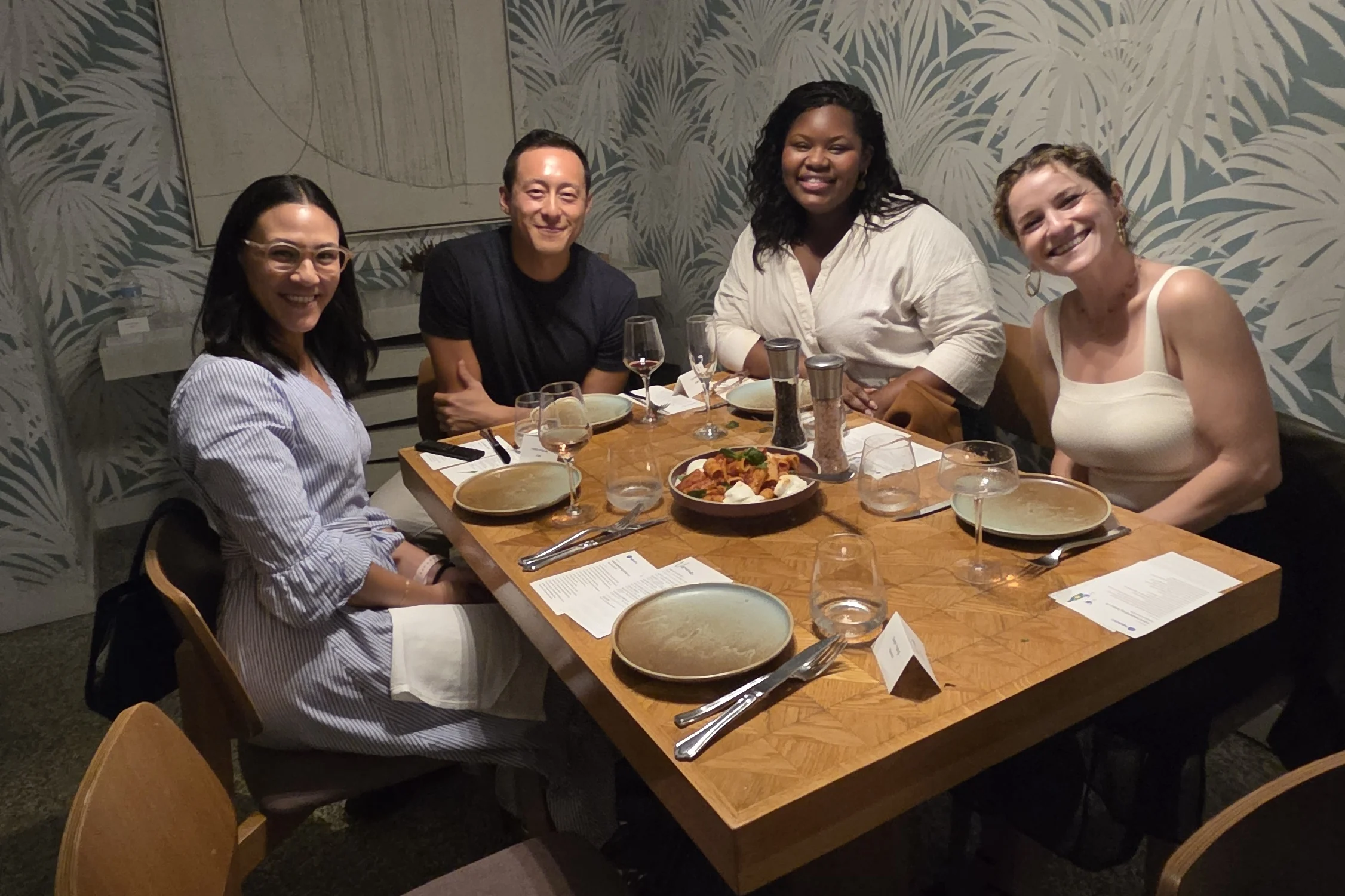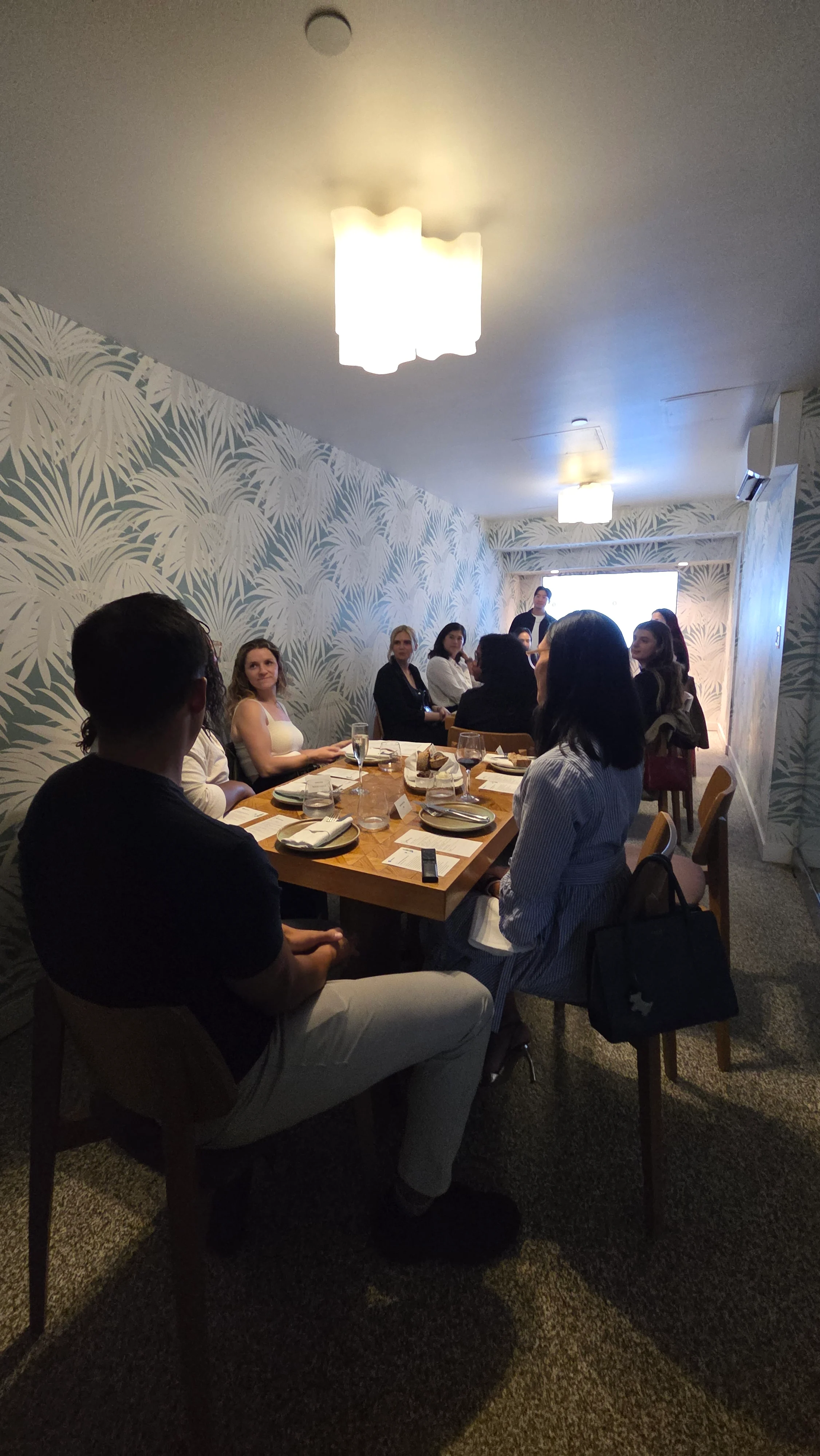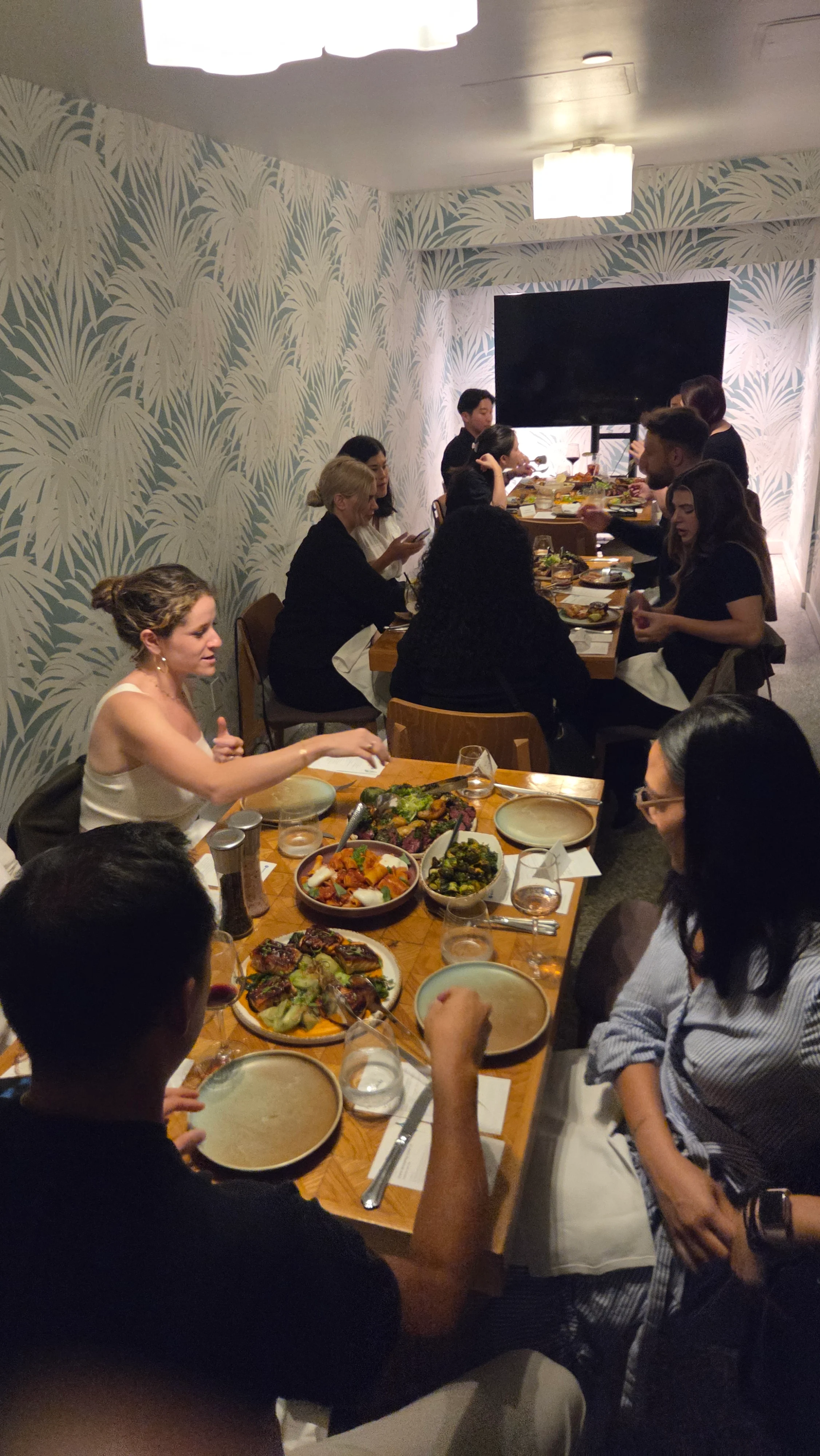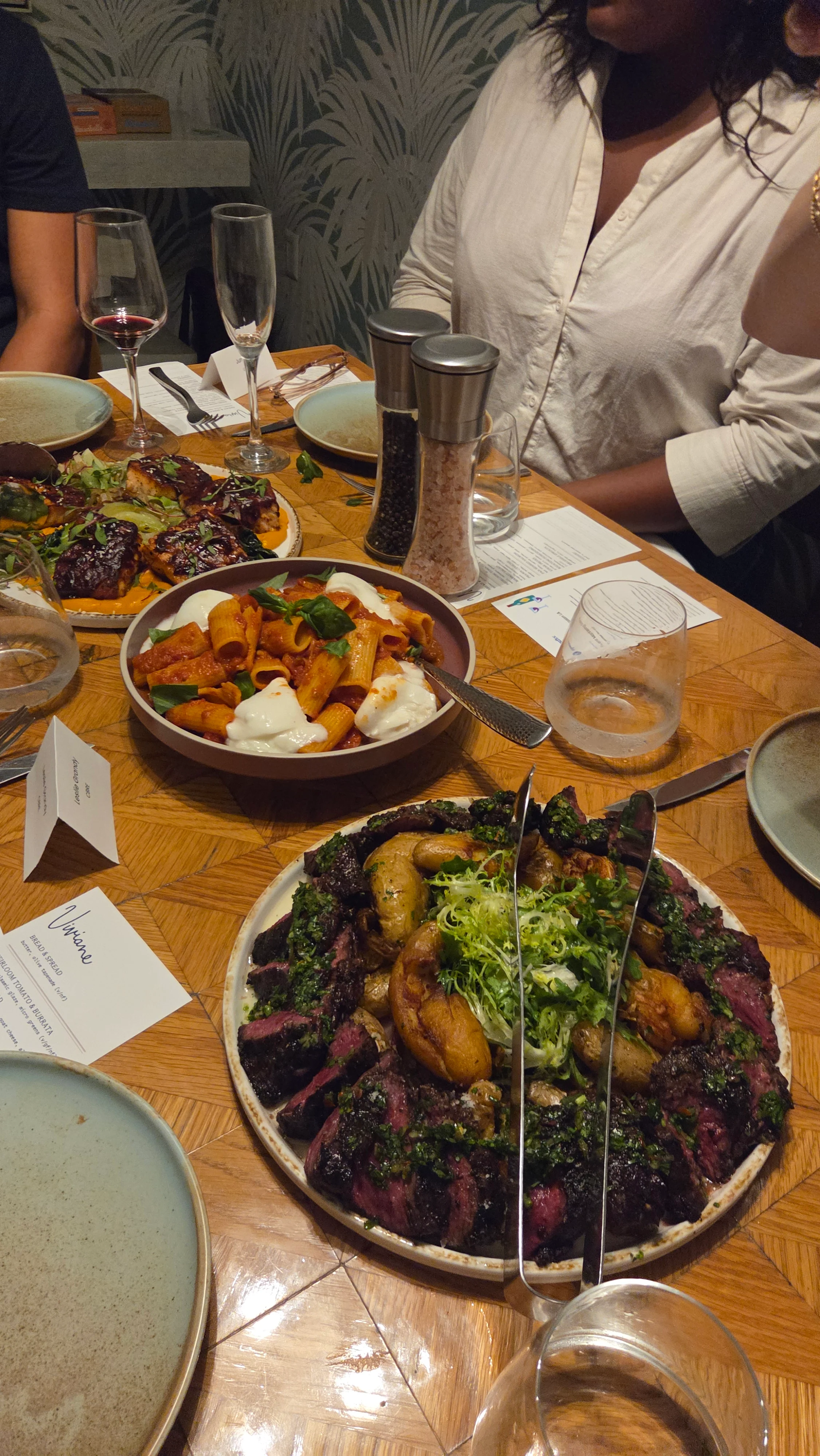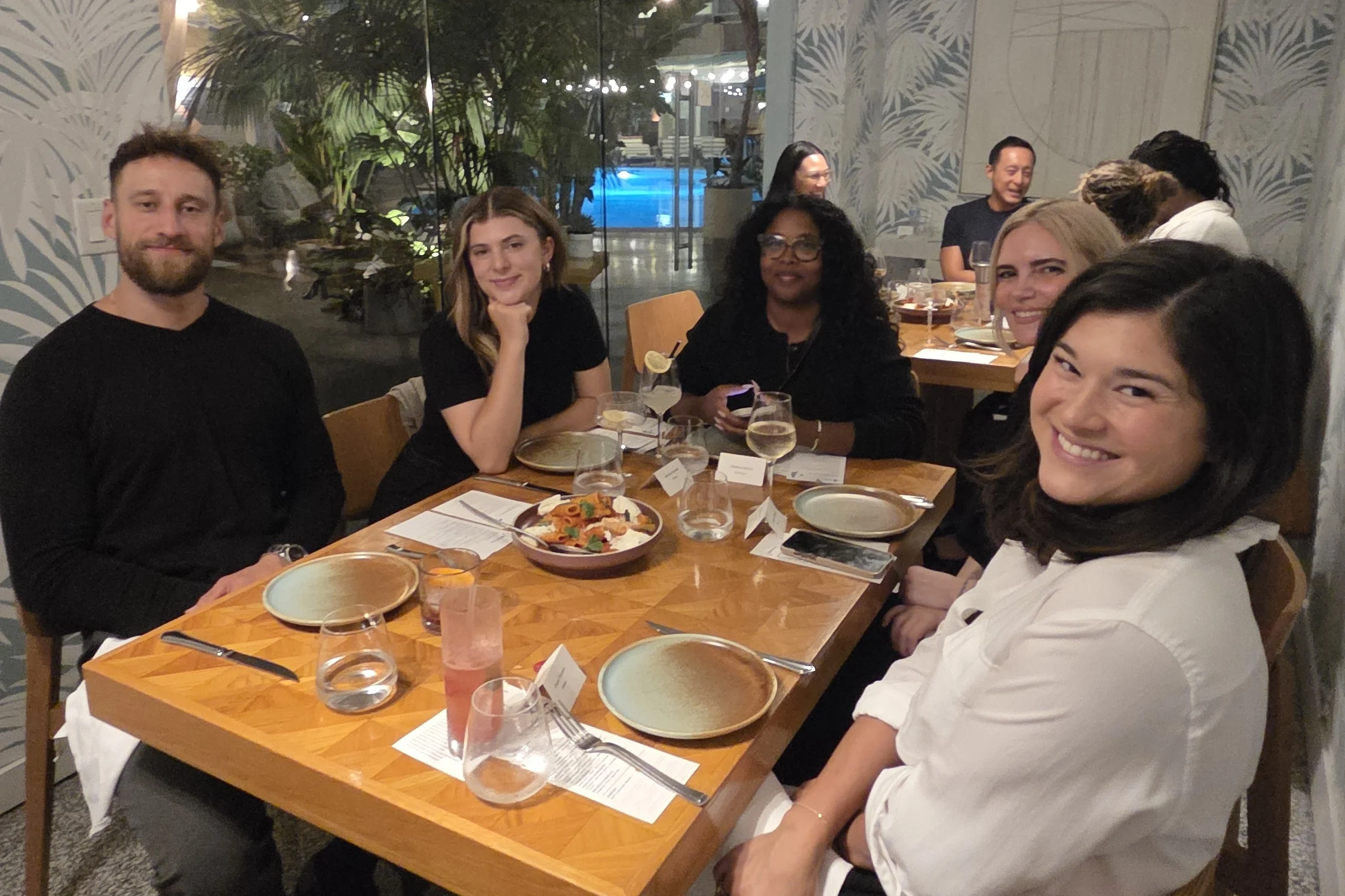
The food was a hit. Near the end of the night, one guest called it “one of the best meals I’ve had.”
Throughout the evening, the conversation kept coming back to what makes event work harder than it needs to be. The industries were different, but the same problems kept surfacing.
Communication is a major event planning challenge
Communication was the first challenge to surface. Nearly every workflow problem around the table involved information getting stuck between teams or trapped in disconnected platforms.
As guests shared more, the issue became increasingly specific. Platforms weren’t communicating with each other, vendors couldn’t always see the latest information, and important context disappeared as plans moved between event teams, sales, and outside partners.
One event manager described a process she had refined over time. The process worked for her, but the tools around it still didn’t connect and people outside her immediate team couldn’t see what they needed.
The problem here was twofold: ownership wasn’t always clear, and the systems weren’t built to carry context across handoffs.
And that distinction matters. You can’t solve a broken handoff by scheduling another meeting.

Why event teams still rely on spreadsheets
When we asked who had recently exported an attendee list to a spreadsheet, every hand in the room went up. One marketer manages much of her process through spreadsheets. Another uses Excel because getting a different platform approved internally has been a challenge. Whatever tools were in place, everyone still ended up in Sheets or Excel.
It makes sense. Spreadsheets are familiar, flexible, and easy to share. When no platform holds a reliable version of the event, they become the home for guest lists, vendor details, and last-minute changes.
Still, that “convenience” comes at a cost. When the conversation turned to the copying, checking, and reconciling required to keep those event details current, the room responded with a collective groan.
Spreadsheets can work, but maintaining them is painfully manual.
Sales and event teams need a shared workflow
When sales collaboration came up, we asked everyone two questions: did they like their sales team, and did they work well with them? The distinction drew laughter around the room because the answers weren’t necessarily the same.
You can genuinely enjoy the people you work with and still have a broken process between you.
One experiential marketer described a workflow that got an immediate reaction from the room. Her sales team prefers to invite guests directly rather than use Splash, even to send the registration link. Once the names come back to her, she has to manually enter every attendee into the platform herself.
That story got knowing reactions because it wasn’t really about Splash. The relationship was fine and the technology was already there, yet the event marketer still ended up doing the work by hand.
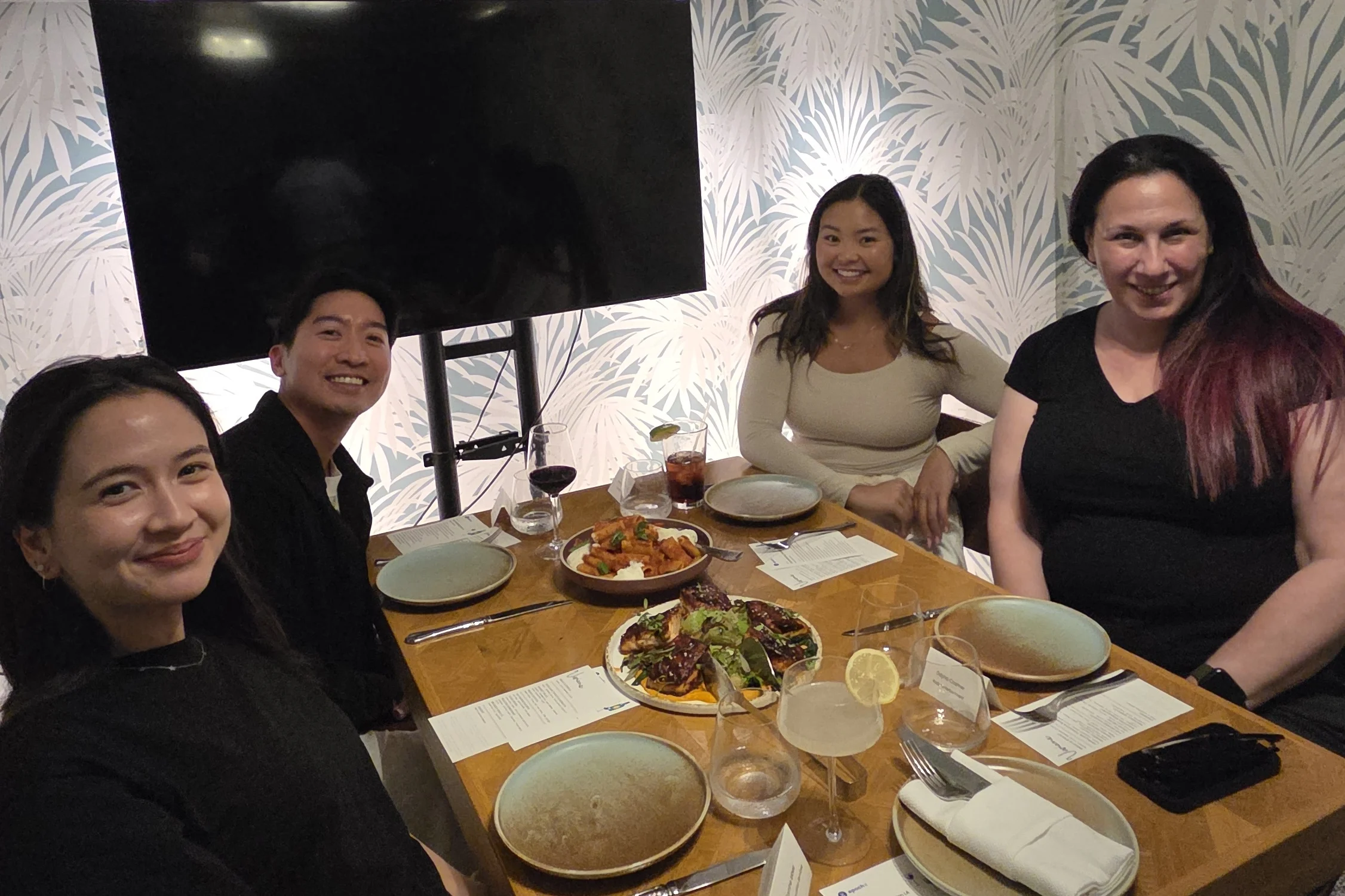
What stayed with us
Similar to what happened at our New York Salon, the best part of the night was watching people recognize their own work in someone else’s story.
The laughter around sales collaboration wasn’t cynical. It was recognition. You can like your sales team and still struggle with the handoff. You can have plenty of tools and still rely on Excel. Across the room, people were manually reconnecting information that already existed somewhere else.
There wasn’t one magical solution by the end of dinner, and that's okay. That wasn’t the point. The more valuable takeaway was realizing you weren’t the only person holding the workflow together, then connecting with people who understood exactly what that felt like.
Thank you to everyone who joined us in Beverly Hills and shared so honestly and openly.
Next up, San Francisco on October 8, followed by New York on October 15.